


Sociology faculty Rena Zito, Raj Ghoshal and Kerem Morg端l presented research at the annual meeting of the Southern Sociological Society in Charlotte
Three faculty members in the Department of Sociology and Anthropology presented research at the annual Southern Sociological Society Conference in Charlotte, North Carolina, from April 9 through April 12.
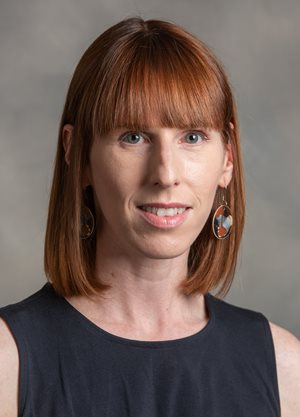
Rena Zito, associate professor of sociology, presented “When You’re (Not) the Stereotype: Coprolalia Stigma in the Lives of People with Tourette Syndrome.” Zito���s presentation described the results of a qualitative study of 30 adults with Tourette Syndrome, including those with and without the experience of swearing tics, called coprolalia. The study demonstrated how many people with Tourette Syndrome experience frustration with others’ misperceptions of their condition, which they feel pressure to correct through revealing strategies of acknowledgement, education, and selective normalization. These efforts inadvertently position those who experience the most stigmatized aspects of Tourette Syndrome as the undesirable other and��function as “ideological repair work” by legitimizing the condition within socially acceptable boundaries.
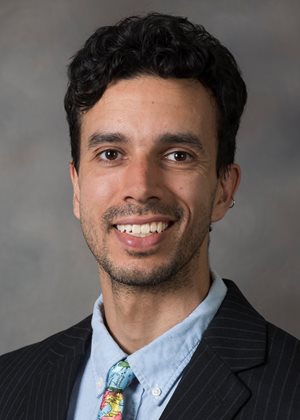
Raj��Ghoshal, associate professor of sociology, organized two sessions on racial appraisals, conceptualization and attitudes. He presented ���Who is Black? Black Americans��� Appraisals��� in the first of these sessions. The presentation drew on survey data to examine how Black Americans think about Black identity and to map links between open-ended racial identity, closed-ended racial self-classification, and self-identification as multiracial or not. In another session, Ghoshal also presented ���Teaching about Colorblindness and Equity,��� which addressed varied meanings of these terms in changing cultural contexts.

Kerem Morg端l, assistant professor of sociology, presented his latest research on how native-born citizens in Turkey evaluate different types of Syrian refugees. In his presentation, Morg端l drew on data from two original vignette experiments embedded in a representative survey of over 2,200 adult residents in Istanbul. His findings challenge assumptions based on prior studies conducted in Europe and the United States, which suggest that citizens tend to favor refugees who are highly skilled, culturally proximate, or particularly vulnerable. In contrast, Morg端l found that Turkish citizens exhibit relatively little differentiation among individual refugee profiles. Instead, their attitudes appear to be driven primarily by generalized perceptions of Syrian refugees as a group.