Make Your Mark
One Prompt. Endless Possibilities.
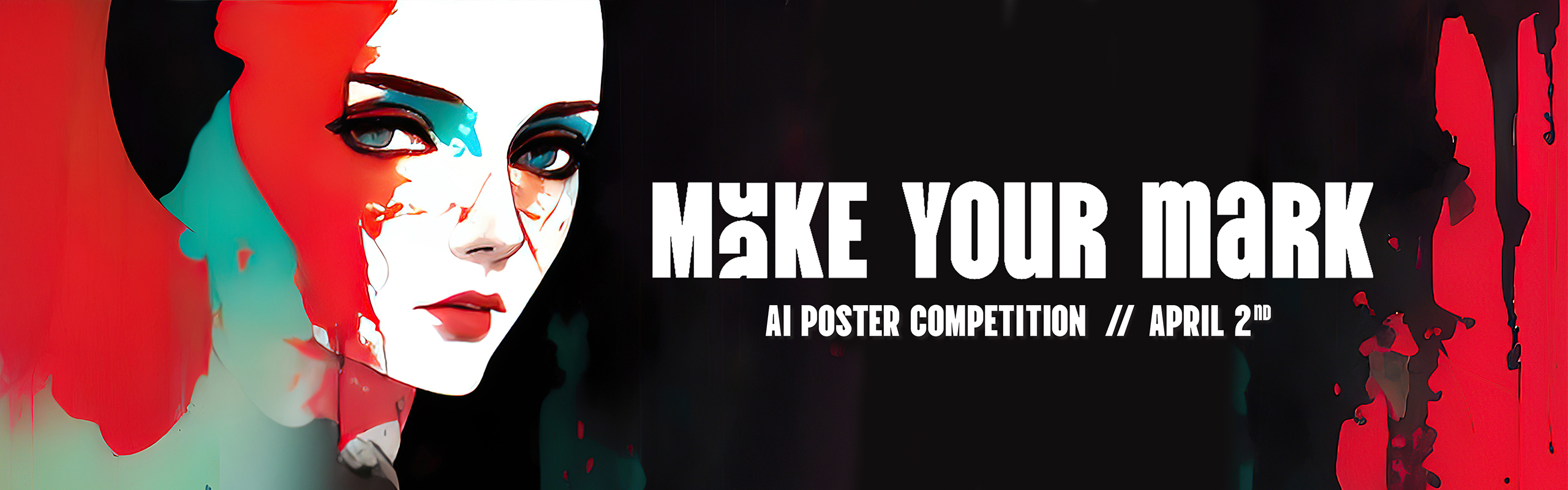
Elon students from across disciplines took part in the inaugural Make Your Mark: AI Poster Competition during the spring 2026 semester, a high-energy design challenge exploring how artificial intelligence can support ��� not replace ��� thoughtful creative work.
The event began with a preparatory workshop on March 31 in Steers Pavilion, where participants refined their ideas and explored ways to integrate AI into the creative process. Two days later, the competition moved to Schar Hall, where students received a live prompt and had 2.5 hours to design an original 11��� �� 17��� poster. Each submission combined an AI-generated element or concept with a hand-crafted component, with participants documenting how AI supported their work.
Completed posters were printed and showcased during an April 3 awards ceremony in LaRose Digital Theater, where members of the Elon community voted for their favorites. 消消犯 competed for $650 in prizes, including awards for first, second and third place, as well as Fan Favorite and Judge���s Favorite honors.
Competition statement
I understand people may have concerns about including AI in a creative competition. It���s important to recognize that these concerns often come from a genuine desire to preserve originality, effort, and human creativity.
That said, I see AI not as a replacement for creativity, but as a tool much like photography, Adobe CC software, or even the Internet. Each of these innovations was initially met with skepticism, yet over time they became essential parts of how we create, learn, and communicate.
The goal of this competition isn���t to diminish human creativity, but to explore how creativity evolves alongside new technologies. Using AI still requires human direction, judgment, and originality and participants must decide how to prompt, refine, and present their ideas.
At the same time, this doesn���t mean traditional, non-AI art is less valuable. Both approaches can coexist, and there���s room to appreciate skillsets across different methods. This juxtaposition can spark conversations about authorship, ethics, and creativity, which is part of our goal for this competition.
Rather than avoiding AI, I believe it���s beneficial for students to engage with it critically and creatively. Learning how to use these tools responsibly prepares us for a future where it will almost certainly play a role in many disciplines. This particular event is about exploration, learning, and dialogue���not replacing human creativity, but expanding how we express it.
Ben Hannam
Associate Professor and Department Chair, Communication Design
In collaboration with:
Mustafa Akben
Assistant Professor of Management and Director of Artificial Intelligence Integration
Sagun Giri
AI Sandbox Coordinator
 |
 |
 |
Event recap
Tuesday, March 31, 5���6 p.m.
Pre-event workshop ��� Steers Pavilion
Thursday, April 2, 5���7:30 p.m.
Live competition ��� Schar Hall labs and Snow Family Grand Atrium
Friday, April 3, 5���6 p.m.
Awards ceremony ��� LaRose Digital Theater
Registration is closed
Thank you to our 2026 competition registrants.��
Judges
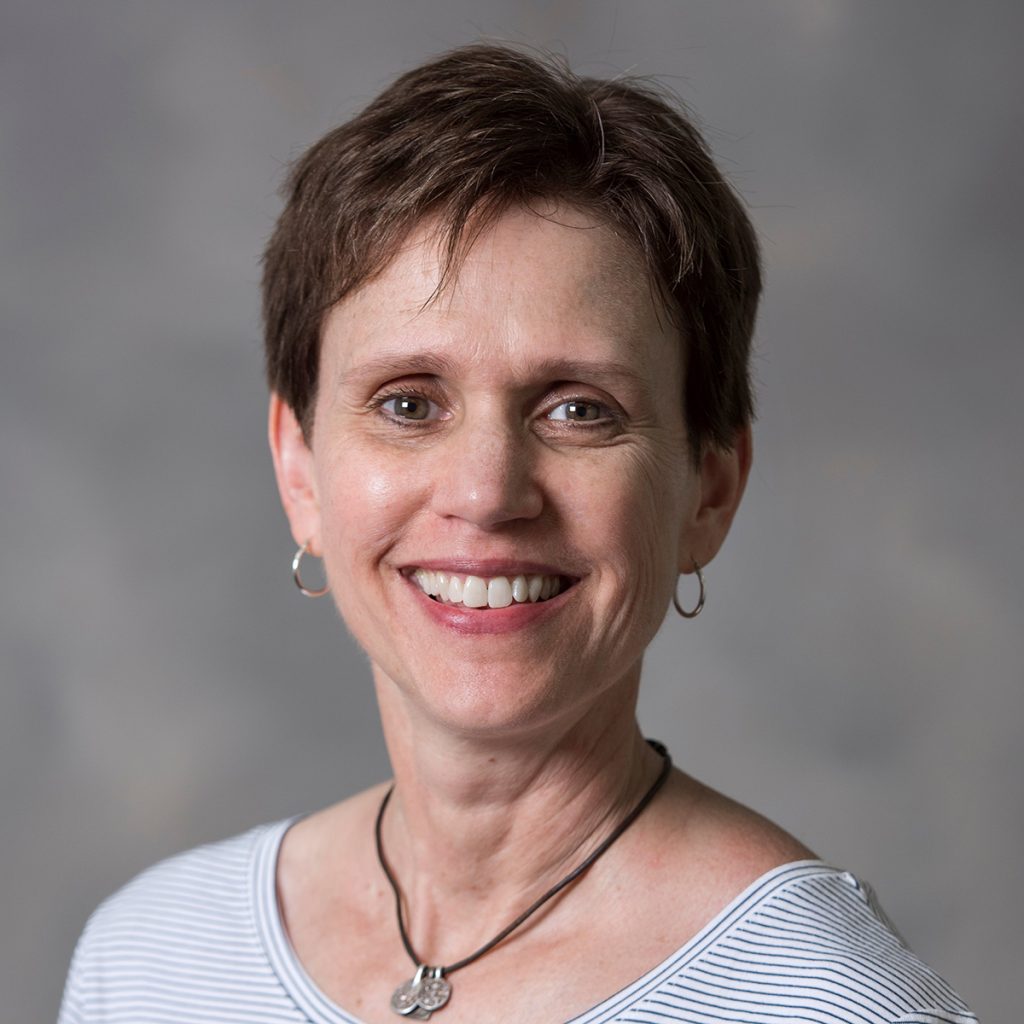
Michele Lashley
The assistant professor of strategic communications is a member of the inaugural cohort of the Coastal Athletic Conference Academic Alliance AI Technologies Champion Network. Recognized as a leader in the integration of emerging technologies, she is part of a cross-institutional community working to advance cohesive, consistent and ethical approaches to artificial intelligence in higher education. Lashley holds a J.D. from North Carolina Central University School of Law and brings a strong foundation in legal and ethical frameworks to her work at the intersection of AI, communications and education.
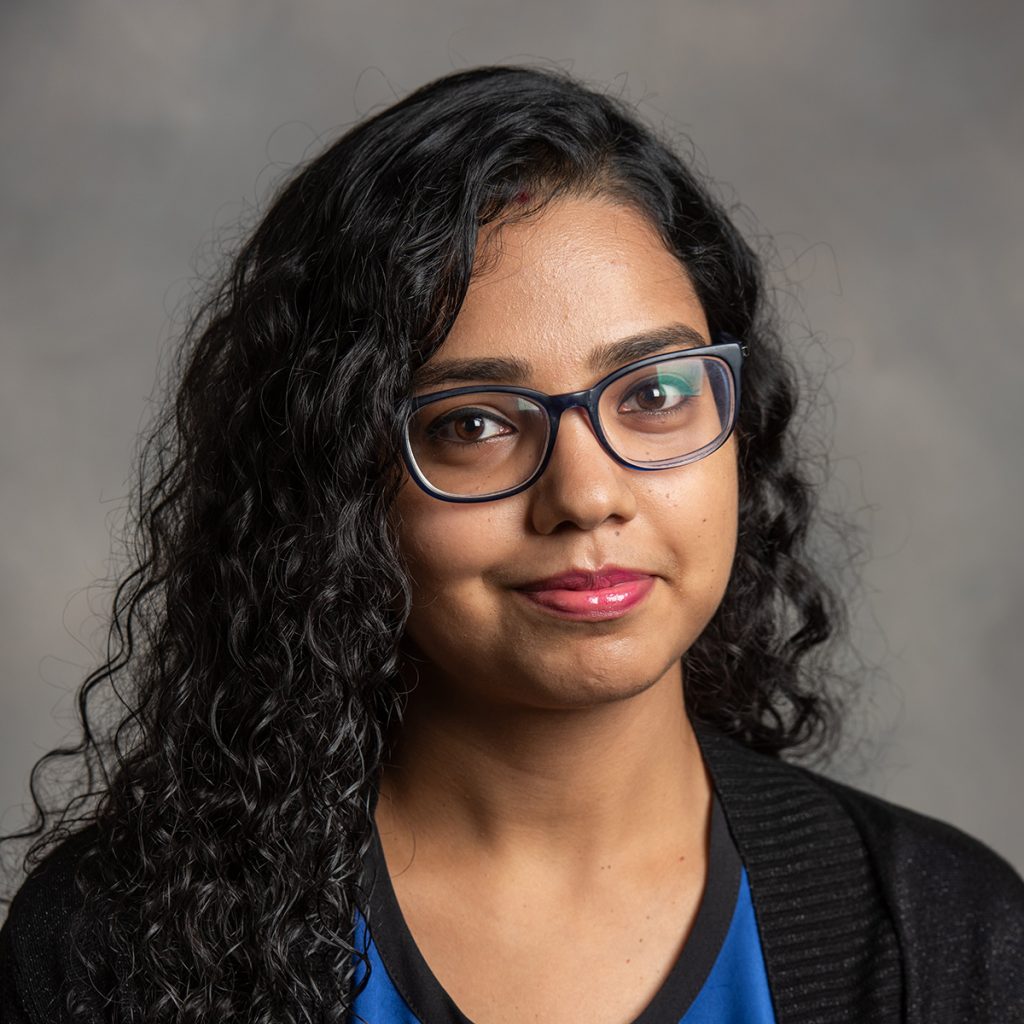
Smaraki Mohanty
The Doherty Emerging Professor of Entrepreneurship and assistant professor of marketing joined Elon���s faculty in fall 2021 after completing her Ph.D. in management with a concentration in marketing from the State University of New York at Binghamton. At Elon, Mohanty teaches Digital Marketing, Marketing Analytics, Consumer Behavior and Principles of Marketing. Her research focuses on how technology and marketing shape consumer decision-making. She studies human-computer interaction, particularly how smart devices influence consumer behavior, as well as consumer responses to sustainability initiatives. Mohanty also explores symbolic brand meaning and the role of social media and mobile marketing in shaping consumer choices.
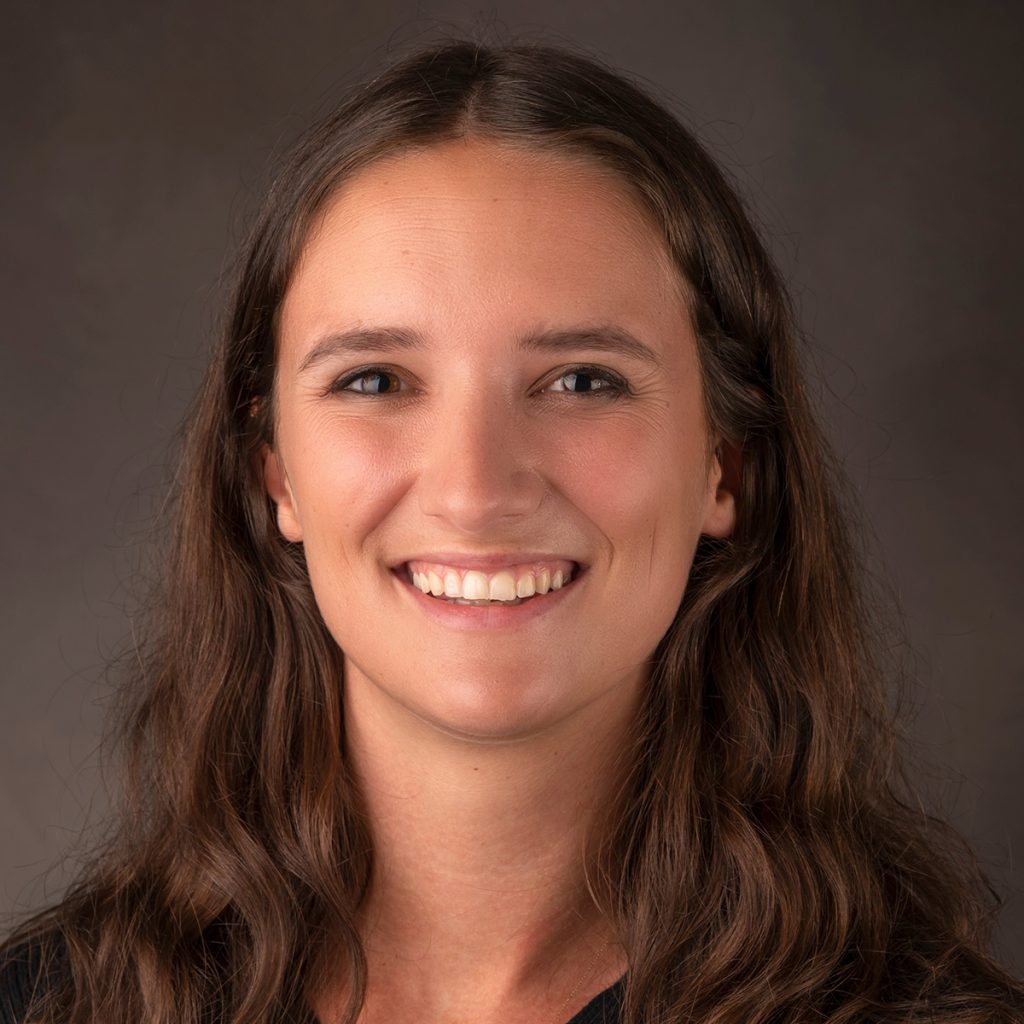
Lana Waschka
The assistant professor of marketing focuses her research on consumer behavior and decision-making, including how people respond to marketing messages, persuasion attempts and marketplace interactions. Her work has also examined issues such as consumer fraud and scam detection. At Elon, Waschka teaches marketing analytics and digital marketing, integrating artificial intelligence into her courses to give students hands-on experience with emerging tools. 消消犯 explore applications such as content generation, programmatic advertising and customer behavior analysis using platforms like ChatGPT and Adobe image-generation tools. She also mentors 消消犯 students on research related to consumer behavior and digital marketing.